Modern Letterhead Templates: Design Vector EPS for Professionals
When you hand over a piece of correspondence, whether it’s a formal proposal, an invoice, or a simple thank-you note, the paper speaks before you do. In a digital-first world, the tactile nature of a printed letterhead carries significant weight. It signals permanence, legitimacy, and attention to detail. However, designing a stationery set from scratch is time-consuming and often requires advanced software skills. This is where the utility of a high-quality Modern Letterhead Templates Design Vector package becomes undeniable. It bridges the gap between professional design standards and practical business needs, offering a polished foundation for your brand identity.
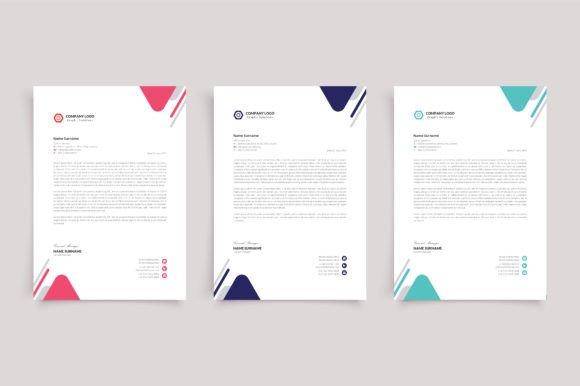
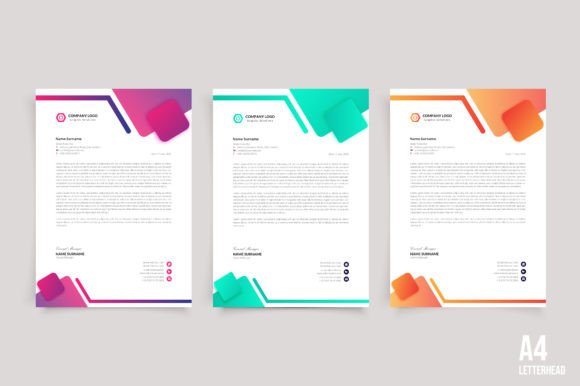
The specific template set we are looking at is defined by its "simple, modern, elegant, and unique" aesthetic. It is not a cluttered design with unnecessary graphics or complex borders. Instead, it relies on clean lines, ample white space, and a contemporary layout structure. This visual personality is ideal for the current design landscape, where minimalism often equates to sophistication. The template utilizes a vector-based format, specifically Adobe Illustrator EPS CS6, which means the graphics are mathematically precise and infinitely scalable. Whether you are printing on a small notecard or a large poster, the lines remain crisp and the colors stay sharp. This is a crucial aspect of modern typography and layout design—ensuring that your assets look professional regardless of the medium.
The Anatomy of a Professional Letterhead
Understanding the components of this Modern Letterhead Templates Design Vector helps in appreciating its value. The design is built on an A4 standard (8.27 x 11.69 inches) with a bleed of 0.125 inches. For the non-designer, the "bleed" is the area that extends beyond the cut line of the paper. It ensures that when the paper is trimmed, there are no unprinted edges or white slivers left behind. This technical requirement is standard in professional print-ready format files, and having it pre-set saves a significant amount of setup time.
Furthermore, the file is set up in CMYK color mode. RGB (Red, Green, Blue) is used for screens, while CMYK (Cyan, Magenta, Yellow, Key/Black) is used for printing presses. Using an RGB file for print often results in dull or shifted colors. By providing a CMYK-ready file, this template ensures that what you see on your calibrated monitor is a close match to what comes off the printer. The resolution is set at 300 DPI (dots per inch), which is the gold standard for high-quality printing. Anything lower can appear pixelated or blurry, which can ruin the perception of your brand identity.
Real-World Applications and Versatility
One of the strongest arguments for using a template like this is its sheer versatility. It is designed to serve a wide array of users, from entrepreneurs and marketers to bloggers and small business owners. Here is how this asset fits into different workflows:
- Corporate and Small Business: For a startup, consistency is key. Using this template ensures that every communication—from the initial pitch to the final invoice—looks uniform. It helps in building a cohesive brand identity without the overhead of a full design agency.
- Creative Professionals: Graphic designers and content creators can use this as a starting point. Because it is fully editable in Adobe Illustrator, a designer can tweak the font pairing, adjust the color palette, or modify the layout grid to suit a specific client's needs. It serves as a robust design asset in a larger toolkit.
- Publishing and Editorial: Bloggers and publishers often need to create media kits or formal letters to sponsors. A professional letterhead elevates these documents, making the creator appear more established and serious about their business.
- Personal Use: Even for personal correspondence, such as formal invitations or personal branding for freelancers, a unique letterhead template adds a layer of polish that plain paper cannot achieve.
Design Strategy: Fonts, Hierarchy, and Readability
While the template provides the structure, the success of the letterhead ultimately depends on how you customize it. The package notes that it uses a free font used, which is a practical advantage. You do not need to purchase expensive premium font licenses to use the template exactly as it is shown. However, if you wish to change the typography to match your existing brand voice, you have the freedom to do so.
When editing, consider the principles of visual hierarchy. The header usually contains the logo and company name. This should be the most prominent element. The contact information—address, phone number, website—should be secondary. The body of the letter needs to be highly legible. If you decide to swap fonts, choose a sans serif font for a clean, modern look, or a classic serif font for a more traditional, authoritative feel. Avoid using a script font or handwritten font for the body text, as these can be difficult to read in long paragraphs. Reserve such creative font choices for accents or your logo.
Ensuring Brand Consistency
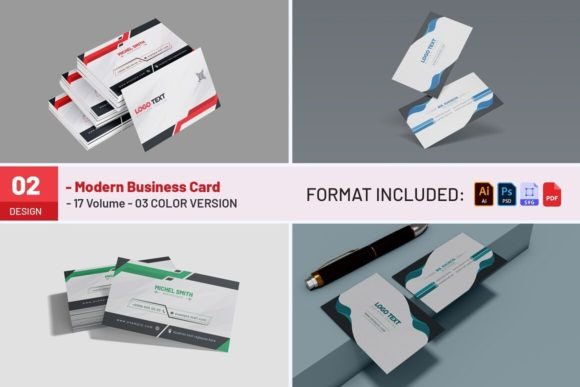
A letterhead does not exist in a vacuum. It is part of a larger ecosystem that includes your website, business cards, and social media graphics. When customizing this vector template, ensure that the hex codes or CMYK values you use match your other design assets. Consistency breeds recognition. When a client sees your letterhead, they should immediately connect it to your website or your logo design. This seamless experience across touchpoints builds trust and professionalism.
Technical Customization and Workflow
The file is organized and easy to edit, which is a massive benefit for those who are not seasoned experts in Adobe Illustrator. The layers are likely named logically, allowing you to isolate the background, text elements, and graphic accents easily.
When you open the EPS file, you can perform a few key tasks to make the template your own:
- Color Adjustment: Select the colored elements and input your brand’s specific CMYK values. This instantly transforms the generic template into a bespoke brand stationery.
- Content Replacement: Replace the placeholder text with your actual business details. Pay attention to kerning (letter spacing) and leading (line spacing) to ensure the text breathes well.
- Logo Integration: Place your vector logo into the designated header area. Ensure it is high-resolution to maintain the 300 DPI standard of the rest of the document.
This process allows you to leverage professional editorial design principles without starting from zero. It is an efficient way to produce high-quality packaging design elements or correspondence materials.
Choosing the Right Template for Your Project
Not every template fits every project. While this Modern Letterhead Templates Design Vector is versatile, it is best suited for brands that want to project an image of clarity, efficiency, and modernity. If your brand is rooted in vintage aesthetics or highly ornate styles, you might need a different design. However, for the vast majority of modern businesses—tech startups, consultancies, design agencies, and service providers—this clean aesthetic is exactly what is needed.
Evaluate the "white space" of the template. A good letterhead leaves room for the content. If the design elements are too loud or take up too much margin space, the actual letter becomes secondary. This template balances the two well, ensuring that the design supports the message rather than overwhelming it.
In conclusion, investing in a high-quality vector letterhead template is a smart move for anyone serious about their professional image. It saves time, ensures technical print readiness, and provides a flexible canvas for your brand identity. By understanding the file specifications and applying thoughtful customization, you can turn this simple download into a powerful tool for communication.